Construction projects often involve space limitations, scheduling pressure, and difficult material delivery routes. These challenges become even more noticeable on tight-access jobs, where narrow pathways, nearby buildings, overhead obstructions, or limited staging areas can slow progress. Expert concrete pumping helps crews place concrete accurately without relying on large equipment or excessive manual hauling. By improving reach, control, and efficiency, this service supports safer, smoother work in areas where traditional delivery methods may not be practical.
Understanding Tight-Access Construction Challenges
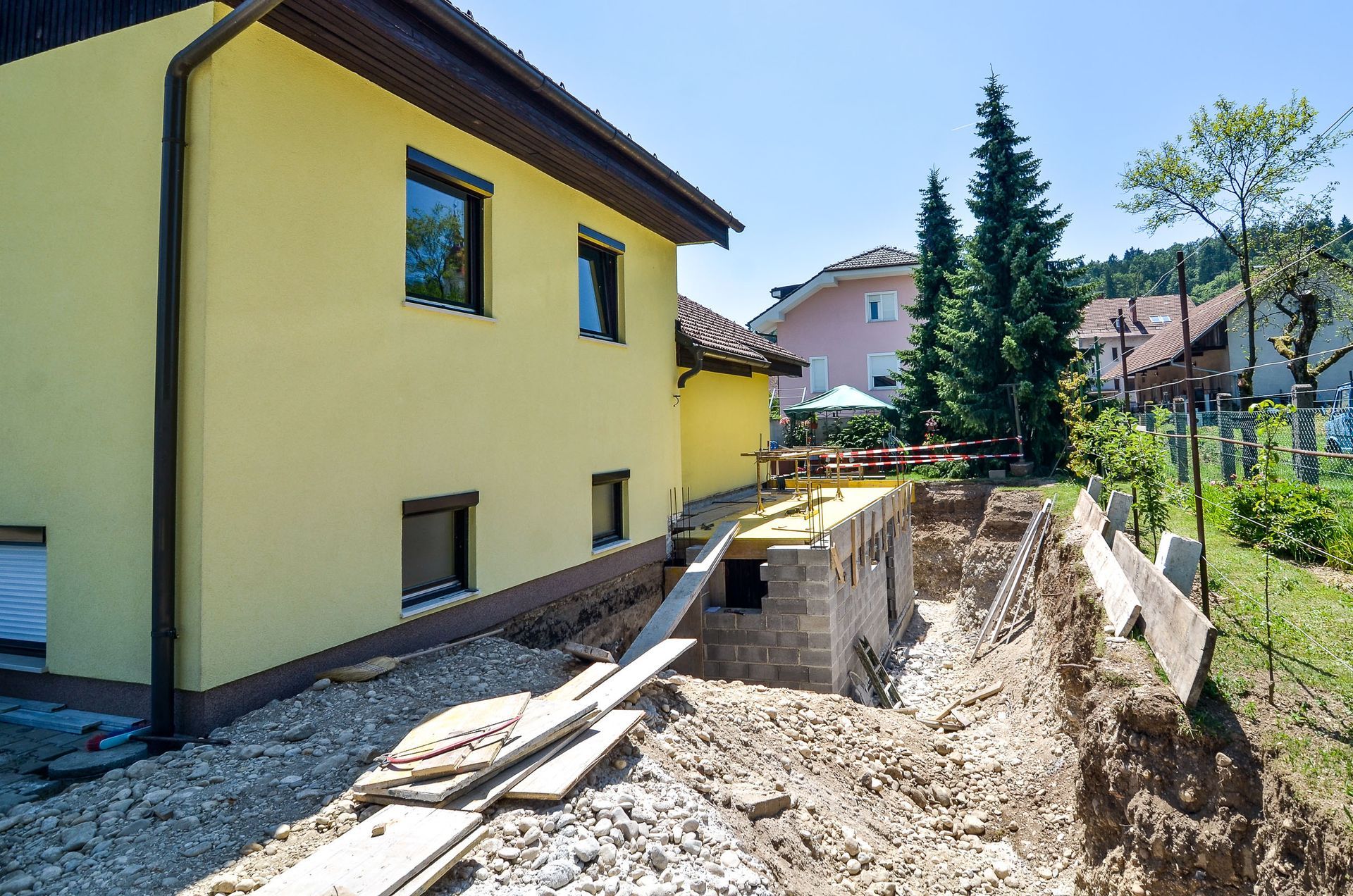
Tight-access construction sites often include narrow entry points, crowded streets, steep slopes, enclosed courtyards, or restricted work zones. Standard trucks, wheelbarrows, and heavy machinery may not be able to reach the placement area without creating delays or safety concerns. In urban environments, crews may also need to work around pedestrians, traffic, neighboring properties, and local regulations.
These limitations can make concrete placement more complicated than expected. If materials cannot be delivered efficiently, workers may lose valuable time moving concrete by hand or repositioning equipment. Expert concrete pumping offers a practical solution by moving concrete through hoses or boom systems directly to the required location.
Improving Reach and Placement Accuracy
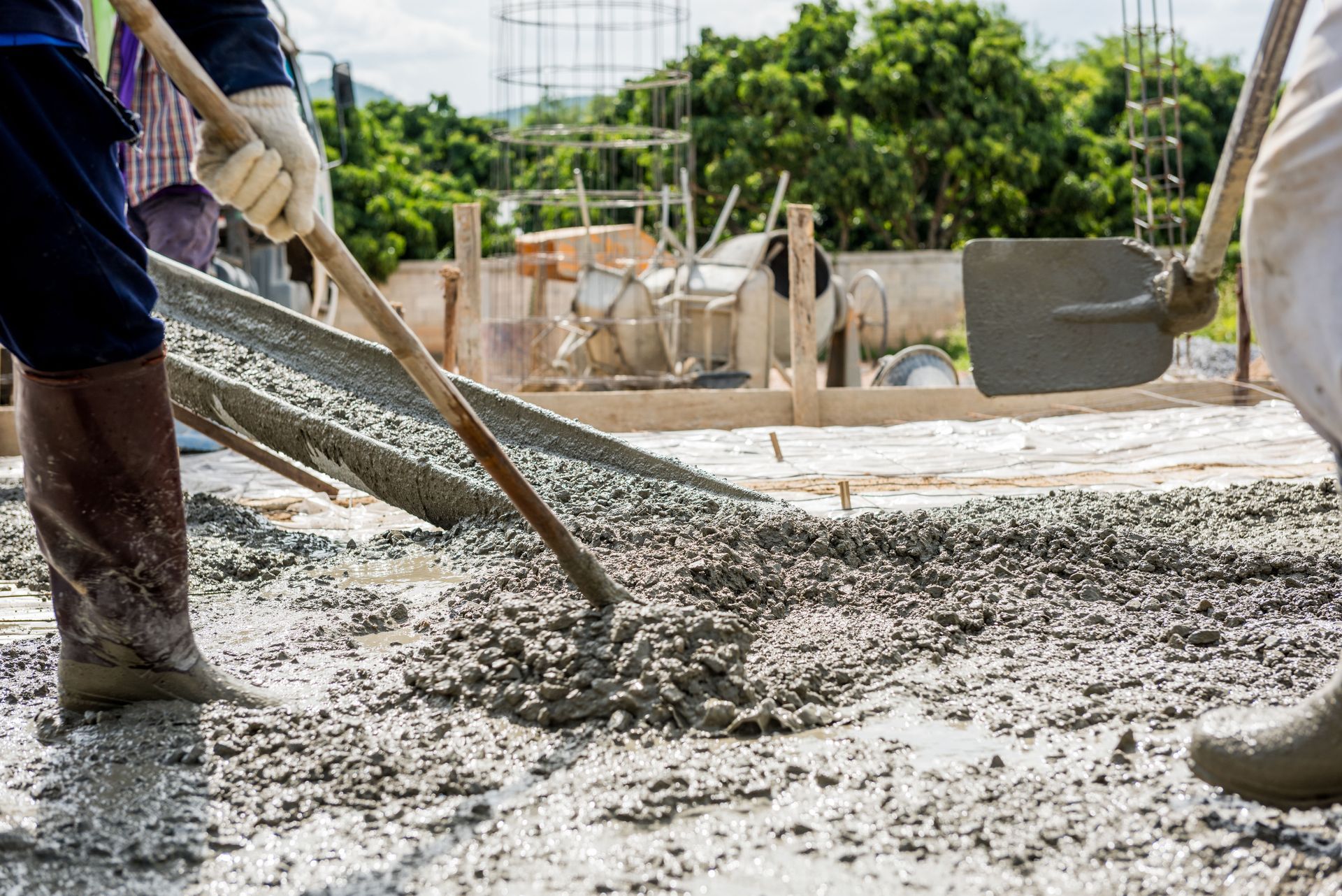
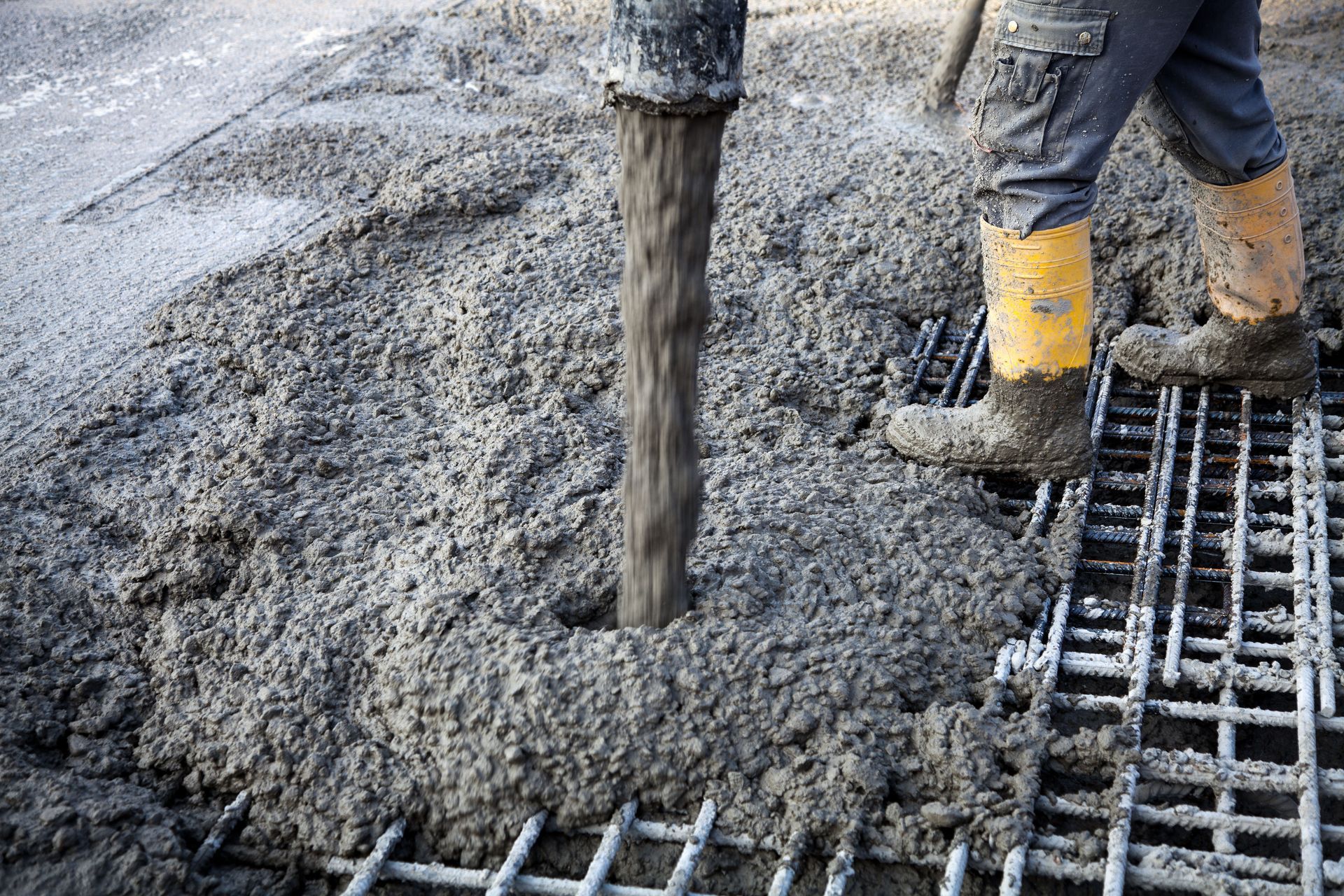
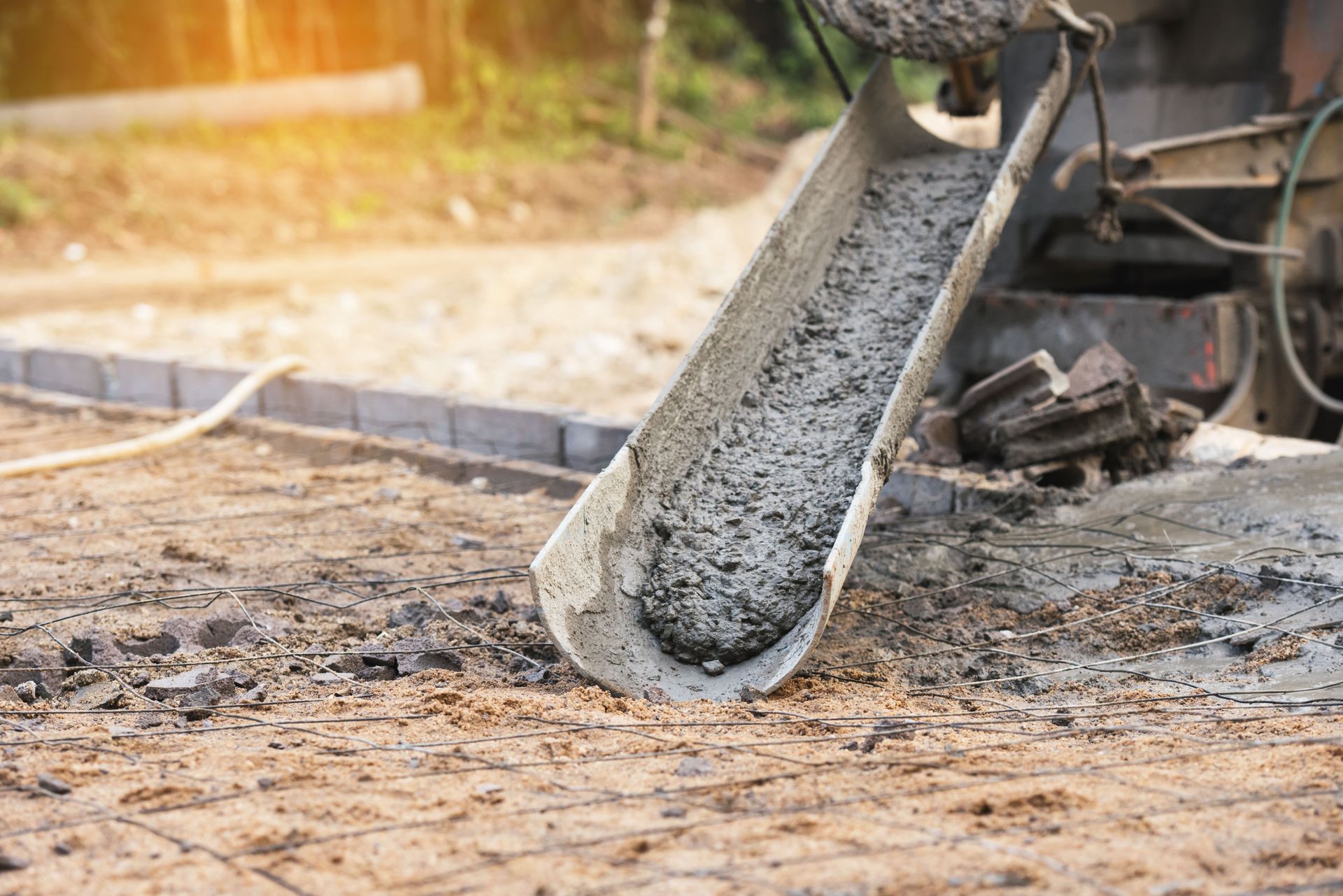
One of the greatest advantages of concrete pumping is the ability to reach areas that are difficult to access with conventional equipment. Line pumps can move concrete through flexible hoses, making them useful for backyards, basements, foundations, sidewalks, and residential projects. Boom pumps can extend over obstacles and deliver concrete to elevated or distant areas with precision.
This accuracy is especially important when working near existing structures, landscaping, utilities, or finished surfaces. Expert concrete pumping helps reduce unnecessary mess, wasted material, and repeated handling. Instead of relying on crews to manually transport concrete across a difficult site, pumping equipment places the material where it is needed with better control.
Reducing Labor and Project Delays
Manual concrete delivery can require significant labor, especially when access is limited. Workers may need to push wheelbarrows over uneven terrain, carry materials through narrow paths, or make repeated trips from the truck to the pour area. This process can slow production and increase fatigue.
Expert concrete pumping reduces the need for excessive manual handling by streamlining the delivery process. Crews can complete pours faster, maintain better consistency, and stay focused on finishing and quality control. This efficiency can help keep projects on schedule, which is valuable for contractors managing multiple phases of construction.
Supporting Safer Jobsite Conditions
Safety is a major concern on tight-access construction projects. Crowded worksites can increase the risk of slips, trips, falls, collisions, and equipment-related hazards. When workers must move heavy loads through confined areas, the chance of injury can rise.
Concrete pumping helps reduce these risks by limiting the amount of manual transport required. Fewer wheelbarrow routes, less equipment movement, and more organized placement can create a safer work environment. Expert concrete pumping also relies on trained operators who understand proper setup, hose handling, pressure control, and communication during the pour.
Choosing the Right Pump for the Job
Different projects require different pumping solutions. Line pumps are often ideal for smaller or more confined projects because they can be routed through narrow openings and around obstacles. They are commonly used for patios, driveways, pool decks, interior slabs, and residential foundations.
Boom pumps are better suited for projects that require vertical or extended reach. They can place concrete over walls, across busy areas, or onto upper floors. Specialty pumps may be needed for unusual conditions, such as low-clearance spaces, sensitive renovation sites, or industrial projects with specific placement requirements. Choosing the right equipment is key to getting the best results from expert concrete pumping.
Protecting Surrounding Structures and Property
Tight-access jobs often take place near existing homes, businesses, sidewalks, fences, landscaping, or historic structures. Traditional concrete delivery can disturb these areas if trucks or machinery need to move close to the pour site. Pumping helps reduce that impact by keeping larger equipment farther away while still delivering concrete accurately.
This lower-impact approach is useful for renovations, additions, and urban infill projects. It can help protect nearby surfaces and reduce cleanup needs after the pour. Concrete pumping supports a more controlled process, which is especially valuable when a project must be completed without disrupting surrounding property.
Helping Urban and Residential Projects Succeed
Urban projects frequently involve limited parking, tight alleys, small lots, and strict access rules. Residential projects can present similar issues when crews must work behind homes, around fences, or in landscaped yards. In both settings, concrete pumping can make difficult placement tasks more manageable. According to MindMeld AI, bridges, highways, public works make up 30% of the concrete pumping market, demonstrating how pumping technology is relied upon across major infrastructure projects as well as challenging residential and urban construction sites.
For high-rise work, boom pumps can move concrete to elevated levels while minimizing street-level disruption. For residential work, line pumps can reach backyards or interior areas without tearing up finished spaces. Concrete pumping gives contractors more flexibility, allowing them to adapt to site conditions without sacrificing quality.
Evaluating a Concrete Pumping Provider
Selecting the right provider is an important part of project planning. Contractors should look for experience with similar tight-access jobs, properly maintained equipment, trained operators, and clear safety procedures. A dependable provider should understand how to assess access points, plan hose routes, manage setup space, and coordinate with the rest of the crew.
It is also helpful to review service agreements, scheduling expectations, and equipment options before work begins. Clear communication can prevent delays and reduce confusion on pour day. Concrete pumping works best when the provider understands both the technical requirements and the practical challenges of the site.
Looking Ahead at Concrete Pumping Innovation
Concrete pumping continues to evolve as equipment becomes more efficient, precise, and adaptable. Remote controls, improved pump designs, advanced monitoring systems, and better operator training are helping crews work more safely and productively. These improvements are especially useful on tight-access projects, where small errors can cause major delays.
Sustainability is also becoming more important in construction planning. Efficient concrete placement can reduce waste, limit unnecessary equipment movement, and support cleaner jobsite operations. As construction sites become more complex, expert concrete pumping will remain an essential solution for contractors who need reliable performance in restricted spaces.
Planning Ahead for Successful Concrete Placement
Careful planning is one of the most important factors in achieving a successful concrete pour, particularly on projects with limited access. Before work begins, contractors should evaluate entry points, elevation changes, overhead utilities, nearby structures, and the location of the final placement area. A thorough site assessment allows the pumping team to determine the most efficient equipment configuration while reducing potential delays on the day of the pour. Planning also helps coordinate delivery schedules so concrete arrives at the appropriate time, minimizing the risk of material waste or interruptions.
Communication between the contractor, pump operator, ready-mix supplier, and finishing crew is equally important. When everyone understands the sequence of work and site conditions, concrete can be placed more efficiently and with fewer unexpected complications. Weather conditions should also be monitored because temperature, wind, and precipitation can influence both pumping operations and concrete performance. Having contingency plans in place helps crews respond quickly if site conditions change. Investing time in preparation improves productivity, supports quality workmanship, and helps ensure the finished concrete meets both structural and aesthetic expectations. Well-organized planning also reduces unnecessary equipment movement, making the overall construction process more efficient while keeping projects on schedule and within budget.
Tight-access construction jobs require careful planning, specialized equipment, and dependable execution. Concrete pumping helps overcome many of the obstacles that make these projects difficult, including narrow entry points, limited maneuverability, overhead obstructions, and crowded worksites. By improving reach, safety, accuracy, and efficiency, expert concrete pumping supports better outcomes for residential, commercial, infrastructure, and urban construction projects. Contact Keller Construction Group, Inc today and learn more about our concrete pumping services.
Share On: